
A few years ago, I was reviewing a recording of a session led by one of my supervisees, a group facilitator. During a moment of conflict between Kelly, a cisgender white woman, and Yian, a Chinese transgender man, I noticed something striking. My supervisee approached Kelly with a lot of empathy, offering support to help her unpack what was happening for her emotionally. Eventually, she did reach out to Yian, but instead of engaging with him directly, she quickly invited the group to interact with him, seeking their input.
When I pointed this out to my supervisee and invited her to reflect on her approach, she shared an honest realization: *“Maybe parts of me don’t know how to relate to Yian. As a woman facilitator, I know how to connect with women and men, but I have no understanding of the struggles of a trans man.”*
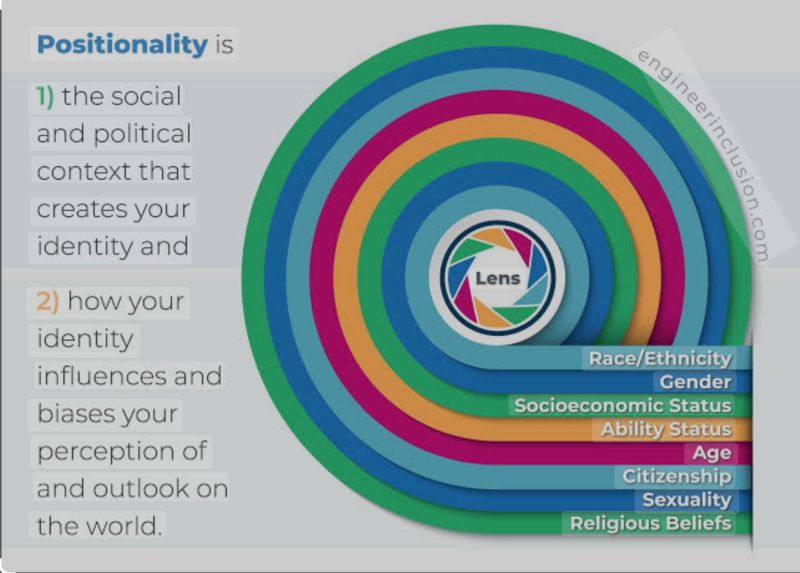
This moment stayed with me because it highlighted how much our identities—our positionality—shape leadership. Positionality is more than a buzzword. It’s the way our race, gender, class, and life experiences influence how we lead and how others experience our leadership. My supervisee’s own experiences shaped how she navigated the situation, and her discomfort in relating to Yian’s identity led her to take a different approach than she would have with a cisgender participant. It was a powerful reminder of how leaders, often unconsciously, may respond differently to individuals based on their own identities and lived experiences.
Reflecting on this, I realized how important it is for facilitators and leaders to continuously challenge their biases and engage with all participants in ways that truly honor their experiences. When leaders are unaware of their positionality, they risk missing out on perspectives that could unlock creativity, innovation, and trust. But leaders who intentionally reflect on their identities—asking, How do my experiences shape my worldview?—can create spaces where diverse voices feel seen and heard. They use their awareness to challenge power imbalances and foster collaboration.
So, what about you? How does your positionality influence the way you lead and make space for others?Have you ever found yourself gravitating toward those you feel most familiar with, while inadvertently distancing yourself from others whose experiences you may not fully understand? What would shift if you took the time to explore those differences with curiosity and empathy?
-Written By Anisha Pandya