
A client once shared a haunting fantasy with me. She imagined her husband dying—an event she dreaded in real life, yet found herself strangely drawn to in her mind. She would spend hours crying over this imagined loss, embarrassed by the intensity of her own feelings. In the fantasy, she saw herself surrounded by family and friends who were offering her sympathy and worrying about her future. And though she loved her husband deeply, she couldn’t stop indulging in this vision.
One day, I asked her: “𝗪𝗵𝗮𝘁 𝗱𝗼 𝘆𝗼𝘂 𝗴𝗲𝘁 𝗳𝗿𝗼𝗺 𝘁𝗵𝗶𝘀 𝗳𝗮𝗻𝘁𝗮𝘀𝘆 𝘁𝗵𝗮𝘁 𝘆𝗼𝘂 𝗱𝗼𝗻’𝘁 𝗮𝗹𝗹𝗼𝘄 𝘆𝗼𝘂𝗿𝘀𝗲𝗹𝗳 𝗶𝗻 𝗿𝗲𝗮𝗹 𝗹𝗶𝗳𝗲?”
She hesitated, then admitted, “𝗜 𝗴𝗲𝘁 𝘁𝗼 𝗯𝗲 𝗰𝗮𝗿𝗲𝗱 𝗳𝗼𝗿. 𝗜 𝗴𝗲𝘁 𝘁𝗼 𝗺𝗮𝘁𝘁𝗲𝗿.”
I reflected: “Of course. I am guessing you’ve been taught that suffering is the only way to receive love. But what if love and attention were available to you in other ways? What if you didn’t have to be in crisis to be seen?”
That moment cracked something open. For the first time, she saw the hidden logic behind her suffering—not as weakness, but as 𝗮𝗻 𝗮𝗱𝗮𝗽𝘁𝗮𝘁𝗶𝗼𝗻 𝘁𝗼 𝗮 𝘄𝗼𝗿𝗹𝗱 𝘁𝗵𝗮𝘁 𝗵𝗮𝗱 𝗴𝗶𝘃𝗲𝗻 𝗵𝗲𝗿 𝗻𝗼 𝗼𝘁𝗵𝗲𝗿 𝗼𝗽𝘁𝗶𝗼𝗻𝘀.
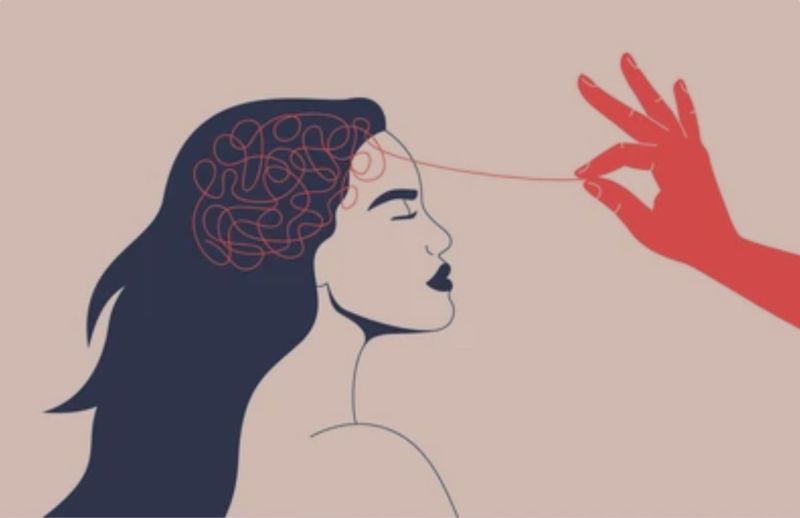
Beneath this realization lay an unexplored catacomb of similar masochistic fantasies and self-defeating behaviors, each stemming from a lifetime of psychological submission to authoritarian parents. Her dependency had shaped an unconscious template: 𝗽𝗼𝘄𝗲𝗿 𝗰𝗼𝗺𝗲𝘀 𝗼𝗻𝗹𝘆 𝘁𝗵𝗿𝗼𝘂𝗴𝗵 𝘀𝘂𝗳𝗳𝗲𝗿𝗶𝗻𝗴, 𝗮𝘁𝘁𝗲𝗻𝘁𝗶𝗼𝗻 𝗼𝗻𝗹𝘆 𝘁𝗵𝗿𝗼𝘂𝗴𝗵 𝗽𝗮𝗶𝗻, 𝗮𝗻𝗱 𝘄𝗼𝗿𝘁𝗵𝗶𝗻𝗲𝘀𝘀 𝗼𝗻𝗹𝘆 𝘁𝗵𝗿𝗼𝘂𝗴𝗵 𝗻𝗲𝗲𝗱𝗶𝗻𝗲𝘀𝘀.
Her fantasy was not about wishing her husband harm—it was about longing for a way to be seen, valued, and important. Victimhood was the only form of power she had ever known. In a life where other possibilities felt blocked, where autonomy and self-expression had been systematically discouraged, suffering had become her only route to significance.
Rather than confronting her victimhood head-on, we started experimenting with agency—tiny, concrete shifts that disrupted the old script. She practiced making small choices without seeking approval, asserting preferences without justification, and noticing moments when she wanted to collapse into helplessness but instead imagined herself standing firm.
The real shift happened when she stopped asking, “What will make me deserving of attention?” and started asking, “What do I want?”
As she began to recognize her own capacity to think, choose, and desire beyond what was imposed on her, the fantasy lost its grip. Not overnight, but steadily, as she expanded beyond the only power she had ever known.
𝗛𝗮𝘃𝗲 𝘆𝗼𝘂 𝗲𝘃𝗲𝗿 𝗻𝗼𝘁𝗶𝗰𝗲𝗱 𝗮 𝗵𝗶𝗱𝗱𝗲𝗻 𝗹𝗼𝗴𝗶𝗰 𝗯𝗲𝗵𝗶𝗻𝗱 𝘆𝗼𝘂𝗿 𝘀𝘂𝗳𝗳𝗲𝗿𝗶𝗻𝗴? 𝗪𝗵𝗮𝘁 𝗵𝗮𝗽𝗽𝗲𝗻𝘀 𝘄𝗵𝗲𝗻 𝘆𝗼𝘂 𝗰𝗵𝗮𝗹𝗹𝗲𝗻𝗴𝗲 𝗶𝘁?
-Written By Anisha Pandya