
That’s what a close friend of mine would often say.
She’s someone I admire — emotionally articulate, deeply sincere, and always willing to share what’s alive for her.
No masks. No games. Just raw, unfiltered truth.
But sometimes when she spoke, my mind would wander. One day she confronted me with irritation —
“Are you really listening? I feel like you’re not with me…”
I felt caught but somehow found the courage to speak my truth:
“You’re right — I wasn’t listening. And it’s not the first time that my attention has drifted when you talk. It’s not because I don’t care or I’m disinterested in you.”
“Then what is it?” she retorted.
I hesitatingly shared, “Something about the way you speak leaves me without a way in. I experience you like an open sky with no door. I feel flooded — like there’s so much truth, but no space to find you in it.”
She said, “B#$ch, are you saying I go on a verbal diarrhoea?”
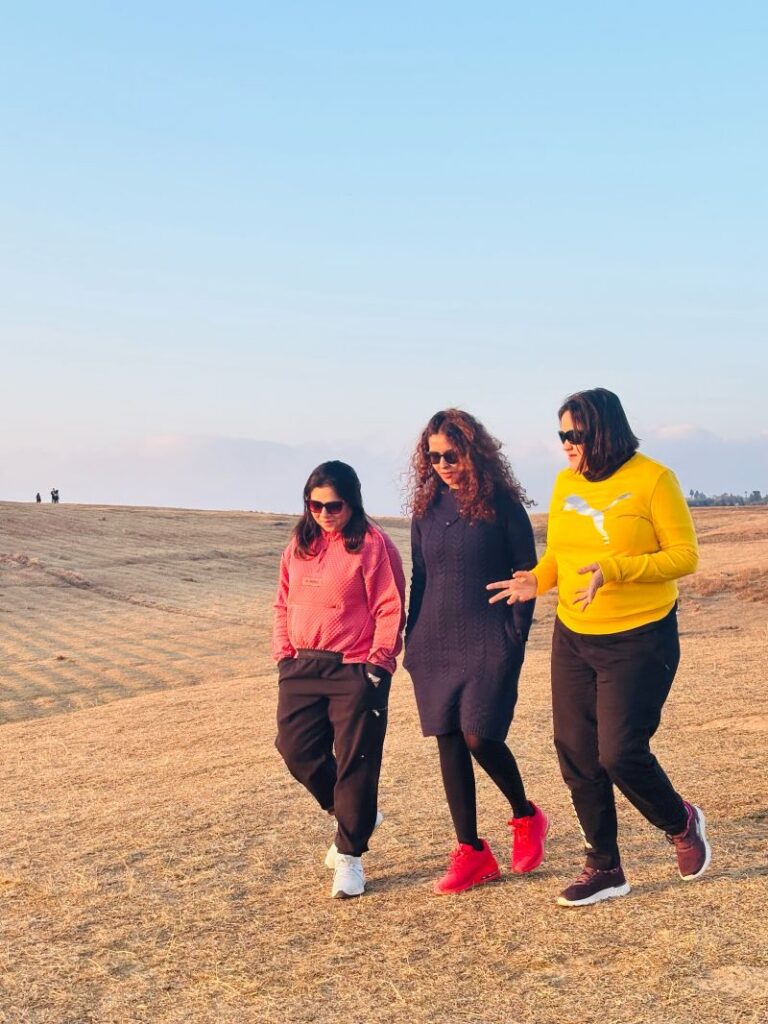
I winked, “I reckon…”
We both burst out laughing.
She then added, “I do think I’m an over-sharer. I don’t know what happens to me — I just can’t seem to contain my truth. I’m a compulsively honest person.”
I gently asked, “Have you wondered why?”
She grew pensive. Then shared how she grew up in a household where full transparency was mandatory. Even a private thought was seen as betrayal.
If she hesitated, edited, or didn’t declare everything — she wasn’t just called a liar; she was beaten for hiding the truth.
So she learned: To be safe, I have to say it all.
Withholding wasn’t just wrong — it was risky.
Now, as an adult, she shares everything — immediately, fully, often without checking if the space can hold it.
Her truth-telling isn’t performative.
It’s protective.
It made me reflect on something I’ve had to learn in my own journey too:
1. You don’t have to be an open book to be real – A bookmark, a pause, a question — those create connection too.
2. Privacy isn’t secrecy or dishonesty – It’s self-containment. Sometimes, an invitation to deeper curiosity.
3. Curiosity grows in space. In edges. In what’s gently held back – Leave room for people to wonder about you — not just witness you.
4. If you grew up without permission to own your mind, boundaries can feel like betrayal – But privacy isn’t a crime. It’s a choice. Often, a sign of maturity.
5. People feel closer when they get to discover us, not just receive us – Intimacy is built on pacing, not flooding.
6. Your truth is sacred. Let people earn access to it – Not everyone gets to read the full manuscript on page one. Boundaries don’t make you fake — they make you safe.
If you’ve ever felt overexposed after sharing — or been told “you’re a lot” when all you were being was real — you’re not alone.
But maybe the work isn’t to say less —
Maybe it’s to say it with more pause.
More discernment.
More care for the space between two people.
-Written By Anisha Pandya