
Not all violence is loud. Sometimes, 𝘄𝗲 𝗿𝗲𝗱𝘂𝗰𝗲 𝗽𝗲𝗼𝗽𝗹𝗲 𝗴𝗲𝗻𝘁𝗹𝘆 — through silence, through stories, through the loss of wonder. We do it politely. Quietly. Convincingly. And without a trace of malice.
It doesn’t look like hatred or cruelty.
It looks like silent withdrawal.
It sounds like “I expected better.”
It hides behind phrases like “they’re not who I thought they were.”
I know this because I’ve done it.
There was a friend I deeply admired — someone who felt like a compass for how I wanted to show up in the world.
Wise. Articulate. Emotionally present.
But one day, in a moment of stress, they spoke to me with sharpness.
No outright harm. Just a tone that felt off, a response that stung.
And something in me snapped shut.
I didn’t lean in.
I didn’t ask what was going on.
I just quietly began rewriting the story in my head —
from “𝗶𝗻𝘀𝗽𝗶𝗿𝗶𝗻𝗴 𝗵𝘂𝗺𝗮𝗻” to “𝗻𝗼𝘁 𝘀𝗮𝗳𝗲.”
From “𝗺𝗲𝗻𝘁𝗼𝗿” to “𝗺𝗮𝘀𝗸-𝘄𝗲𝗮𝗿𝗲𝗿.”
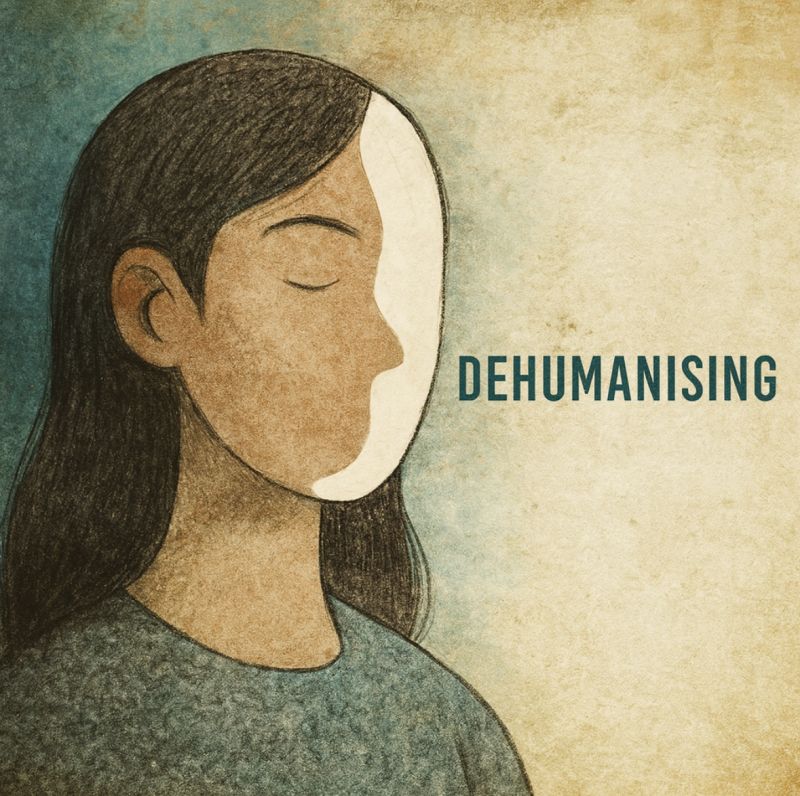
What I didn’t realise then but now see is that I dehumanised them.
Not by attacking them — but by flattening them.
By turning a full, complex human being into a single moment of imperfection.
By erasing all their nuances in service of my own disappointment.
That’s what rupture can reveal:
𝗡𝗼𝘁 𝗷𝘂𝘀𝘁 𝗵𝗼𝘄 𝗼𝘁𝗵𝗲𝗿𝘀 𝗱𝗶𝘀𝗮𝗽𝗽𝗼𝗶𝗻𝘁 𝘂𝘀 — 𝗯𝘂𝘁 𝗵𝗼𝘄 𝘄𝗲 𝗽𝗿𝗼𝘁𝗲𝗰𝘁 𝗼𝘂𝗿𝘀𝗲𝗹𝘃𝗲𝘀 𝗯𝘆 𝗲𝗿𝗮𝘀𝗶𝗻𝗴 𝘁𝗵𝗲𝗶𝗿 𝗵𝘂𝗺𝗮𝗻𝗶𝘁𝘆.
How we move from connection to disconnection, all in the name of self-preservation.
In my work with groups and therapy clients, I see this all the time —
especially with leaders, teachers, therapists, partners, friends, parents.
The people we once held up
…become the people we quietly take down
the moment they break the image we’ve built around them.
So here are a few gentle reminders for when you catch yourself dehumanising someone you once admired:
1. 𝗣𝗮𝘂𝘀𝗲 𝘁𝗵𝗲 𝗻𝗮𝗿𝗿𝗮𝘁𝗶𝘃𝗲. Notice the story you’re telling about who they are now. Is it rigid? Is it reductionist?
2. 𝗜𝗻𝘃𝗶𝘁𝗲 𝗰𝘂𝗿𝗶𝗼𝘀𝗶𝘁𝘆 What might have been going on for them in that moment? What pressure, what pain, what blind spot?
3. 𝗥𝗲𝗰𝗹𝗮𝗶𝗺 𝘆𝗼𝘂𝗿 𝗽𝗿𝗼𝗷𝗲𝗰𝘁𝗶𝗼𝗻. What part of you did they carry? Your longing for wisdom? Your hunger to belong? Can you hold that with tenderness?
4. 𝗠𝗼𝘃𝗲 𝘁𝗼𝘄𝗮𝗿𝗱 𝗰𝗼𝗻𝘃𝗲𝗿𝘀𝗮𝘁𝗶𝗼𝗻. If the relationship matters, dare to speak. Not to attack, but to connect.
5. 𝗥𝗲𝗺𝗲𝗺𝗯𝗲𝗿: 𝗿𝘂𝗽𝘁𝘂𝗿𝗲 𝗶𝘀 𝗻𝗼𝘁 𝗳𝗮𝗶𝗹𝘂𝗿𝗲 It’s a threshold. A place where idealisation ends, and a deeper, more mutual relationship can begin.
Because relationships don’t thrive on perfection.
They thrive on repair.
On the willingness to stay when it gets uncomfortable.
And on the radical act of continuing to see each other as human — even in our messiest moments.
https://lnkd.in/g26xeEVW
-Written By Anisha Pandya